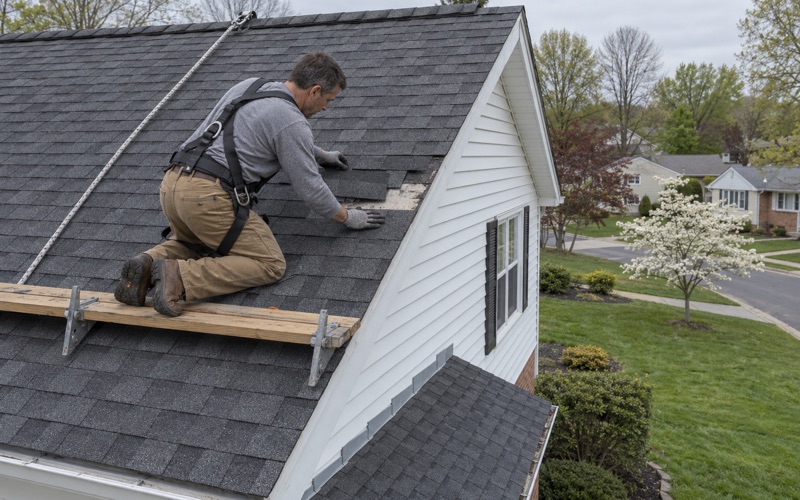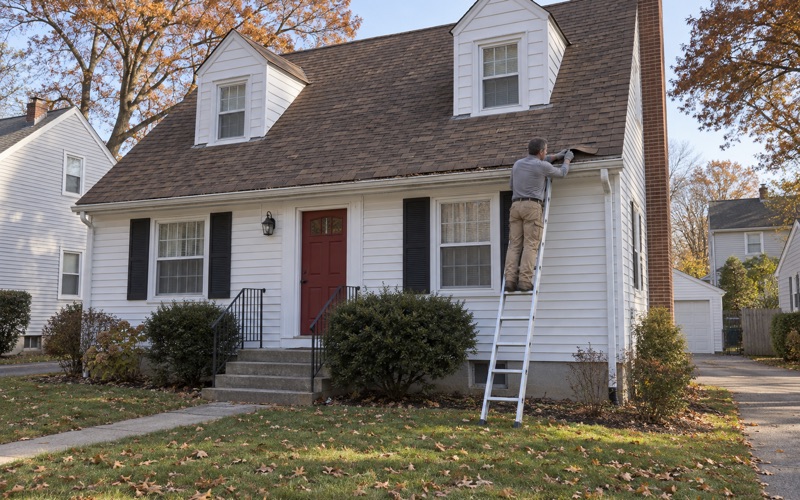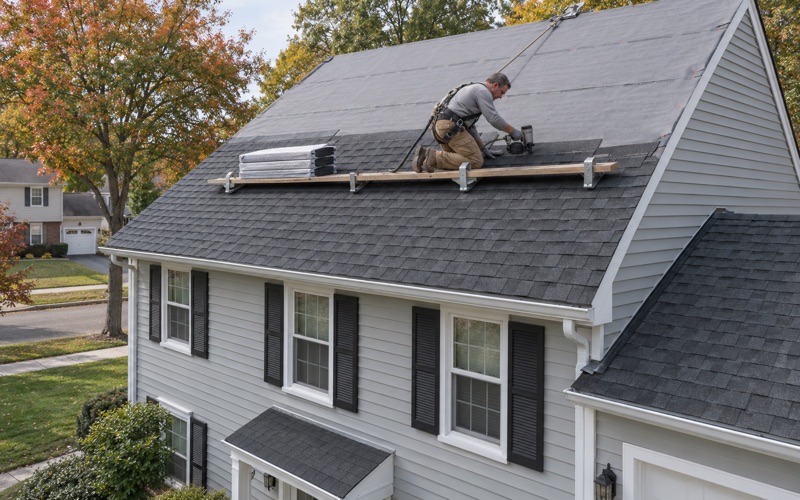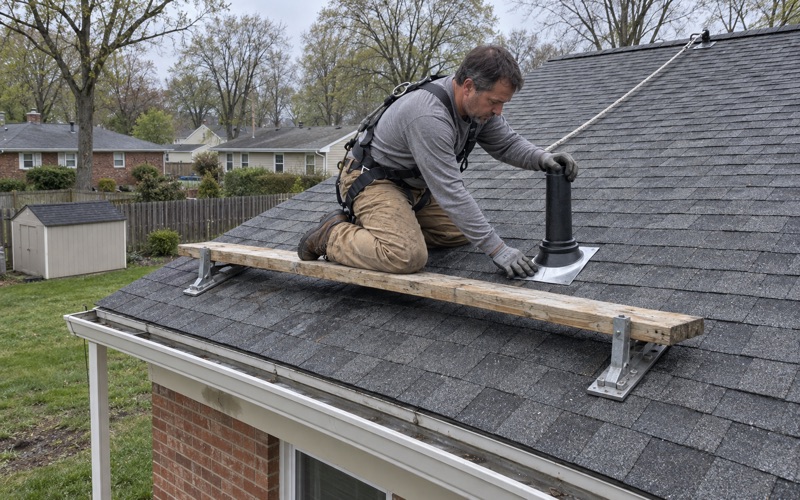
Hamilton Elite Roofing brings more than 20 years of experience to roofing in Bordentown Township, and on this page we focus on the buildings that house many families at once. An apartment roof is a different job from a house roof. One covering shelters a dozen or more households, the decision belongs to an owner or a property manager rather than a resident, and the work has to proceed while people are home.
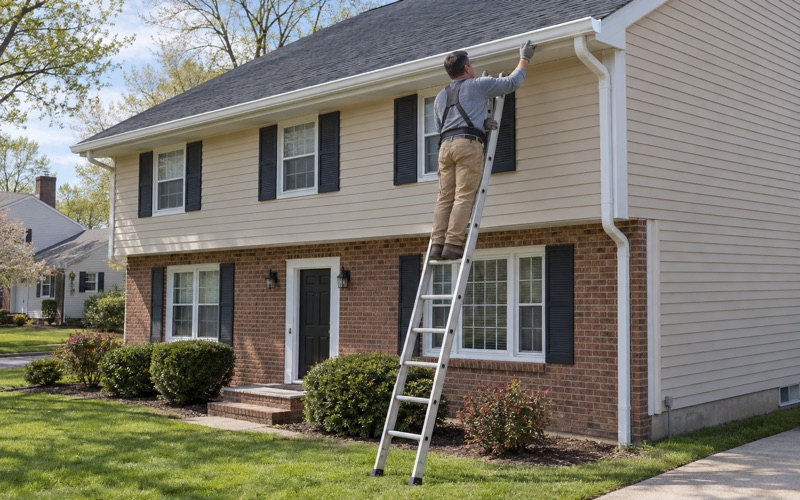
We start every leak call with two inspections, one on the roof and one in the attic or top-floor ceiling space, so the water is followed to its real entry point before a price is put on anything. On a multifamily building that matters even more, because the stain a tenant reports may sit two units away from the opening that feeds it.
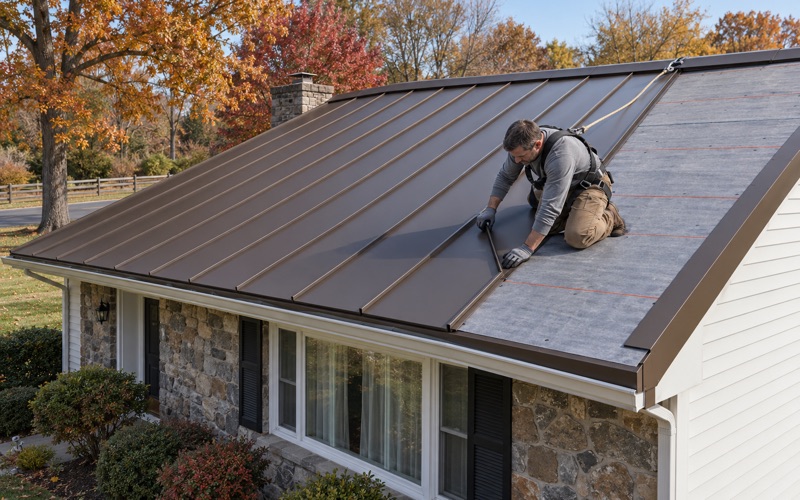
We also tell an owner plainly whether a roof can be repaired before replacement enters the conversation. When replacement is the right answer, our written scope breaks tear-off, decking, underlayment, flashing, ventilation and gutters into separate lines, which lets a manager compare bids line by line and explain the cost to an ownership group.
Bordentown Township’s Apartment Communities
How Many Households Rent Here
About a third of Bordentown Township households rent their homes: 1,475 of 4,544, according to the Census Bureau’s 2024 five-year American Community Survey. Of those renter households, 907, or 61.5 percent, live in buildings with five or more units. That is a larger multifamily footprint than many people picture when they think of a Burlington County township.
The split across building sizes is worth knowing. The survey counts 142 renter households in buildings of five to nine units, 334 in buildings of 10 to 19, 266 in buildings of 20 to 49 and 165 in buildings of 50 or more. Each size brings its own scheduling and access questions. A five-unit building may share one pitched roof, while a 50-unit building usually means a larger roof with more equipment on it.
Who Makes the Roof Decision
In an apartment community, tenants report the leak but rarely choose the roofer. The owner, a management company or an on-site property manager decides when the roof gets fixed and how much is spent. We write our findings for that reader: what we saw, where the water enters, and which repair or replacement options make sense.
Managers often need to plan a roof one or two budget cycles ahead. A clear condition report with photographs gives them something to bring to ownership, and it separates the leak that needs attention this week from the roof section that can wait until next year. For a building with several roof sections, we can also stage the work over more than one season so the spending matches the reserve.
Contracts Written for New Jersey
Our contracts follow New Jersey’s home improvement rules, including the three-business-day cancellation notice. Where an ownership entity rather than a resident signs, we still put the same detail on paper: the scope, the line items, the decking price and the schedule, so the manager and the owner are reading the same document.
Looking for roofing closer to Florence? See Florence Roofing.
From Route 130 Garden Complexes to New Elevator Buildings
The Route 130 Corridor
Several of the township’s apartment communities sit along Route 130. Rydal Apartments on Ward Avenue is listed off the highway, and Bradford Pointe sits where Burlington Bordentown Road, County Route 662, meets Route 130 South. Bradford Pointe is fully affordable, and the township has extended its affordability protections for 168 families there.
Gerard’s Riverview at 500 Route 130 opened 66 affordable rental units. Along this corridor the buildings run from older complexes to new construction, and a roof plan has to fit whichever one is in front of us. No public source we have read describes any of these roofs, so every plan here begins with an inspection.
Newer Buildings on Burlington Road and Bowery Lane
The township has also seen a wave of recent apartment construction. Waterfront Village, a three-story building with 70 one-bedroom apartments on seven acres along Burlington Road, opened with low-income housing tax credit financing in 2019. The Reserve at Crosswicks on Bowery Lane pairs an elevator building with garden-style apartments.
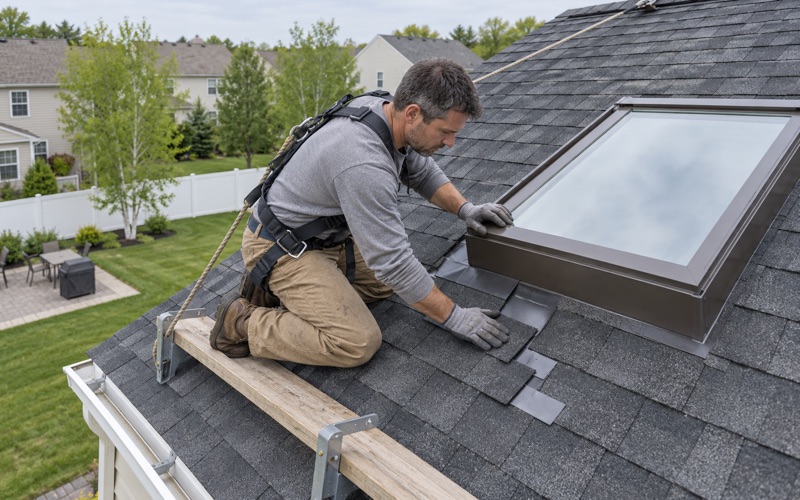
A newer roof still has weak points. Flashing around rooftop equipment, penetrations for vents and plumbing, and the joints where one roof plane meets another all deserve a look in the first years of service. Catching a loose detail early costs far less than chasing a leak through finished apartments. When solar panels sit on an apartment roof that needs work, we put their removal and reinstallation into the schedule from the start, rather than discovering the conflict on the day the crew arrives.
Garden-Style Versus Elevator Roofs
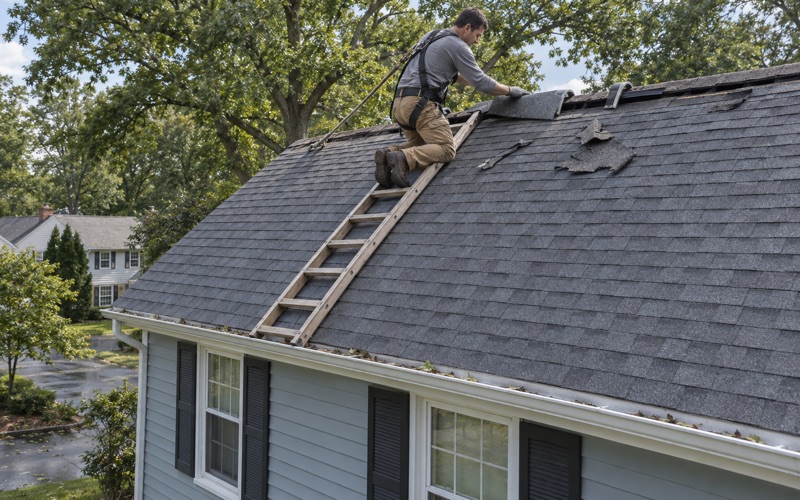
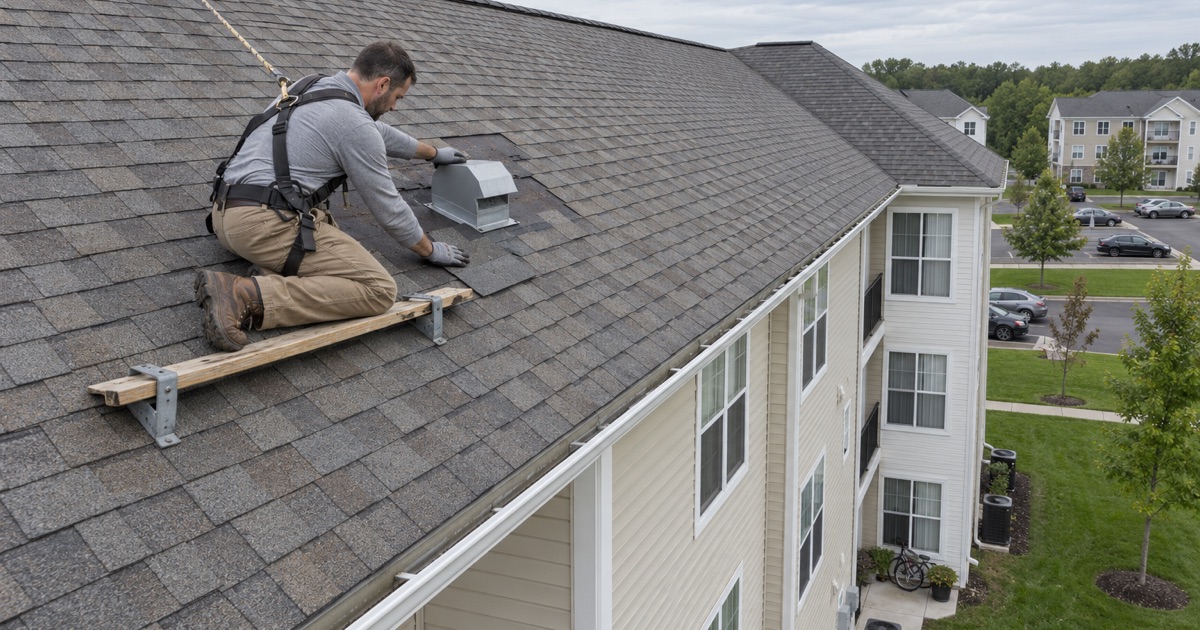
Garden-style apartments are usually two or three stories with several buildings spread across a site, and many carry pitched roofs with architectural shingles, gutters and attic space above the top floor. That layout means many separate roofs, each with its own ridge vents, pipe boots and downspouts, and one site plan to move crews and debris between them.
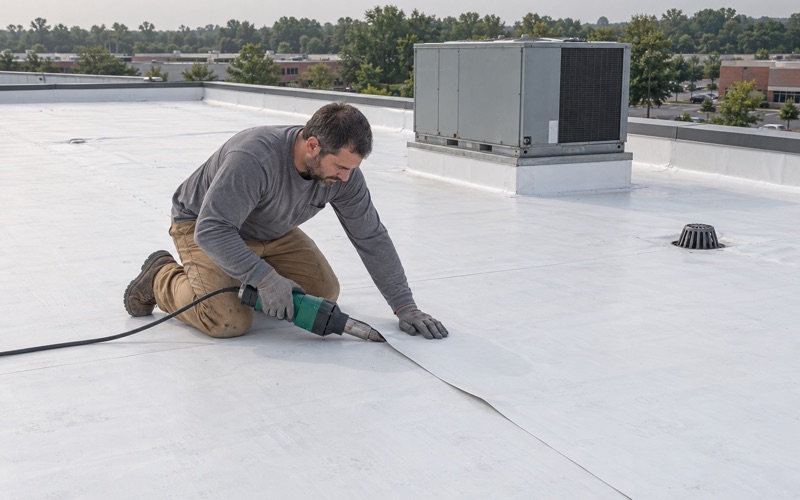
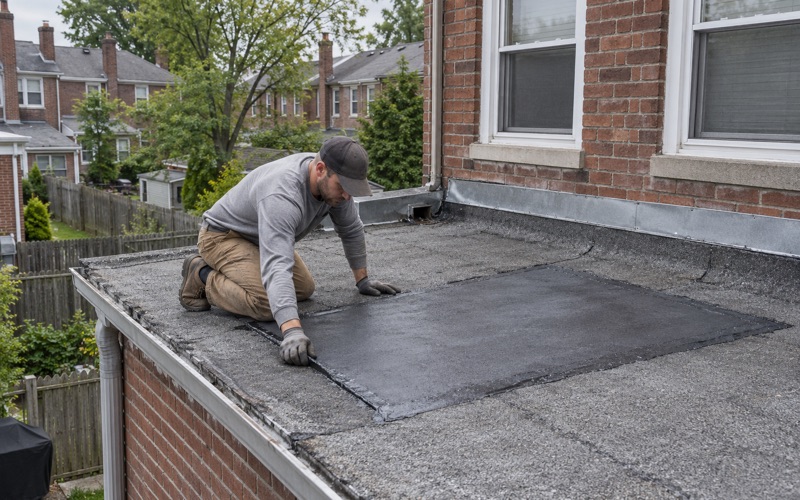
Elevator buildings tend to be taller and often use a low-slope roof with a single-ply membrane such as TPO, PVC or EPDM, or a modified bitumen system. Those roofs hold mechanical equipment, the elevator overrun and drains or scuppers, and every one of those details is a place where water can find a path in. We inspect those details from the roof surface, and on a membrane roof we probe seams and check that drains are clear of debris.
Roofs Over Occupied Apartments
Working While Tenants Are Home
Nobody moves out for a re-roof. Some tenants work from home, some sleep during the day after night shifts, and most park near the buildings, so we build the schedule with the manager around notice to residents, parking areas that need clearing and the entrances that must stay open and protected. Material deliveries and dumpster placement are agreed in advance so fire lanes stay clear.
We dry in each section of a pitched roof before the end of the day, so no open deck sits overnight above a bedroom. At quitting time the crew cleans the lawns, walkways and gutters and runs a magnet sweep for nails, which matters on a property where children and visitors cross the grounds all day. Ladders and hoists are placed away from doorways, and the crew follows OSHA fall protection rules for work six feet or more above a lower level.
Decking, Flashing and Ventilation
When the old roofing comes off, any rotted or delaminated decking is photographed and shown to the owner or manager before a single sheet is replaced. The per-sheet price is set in the contract beforehand, so a decking surprise on a large building does not turn into an open-ended bill.
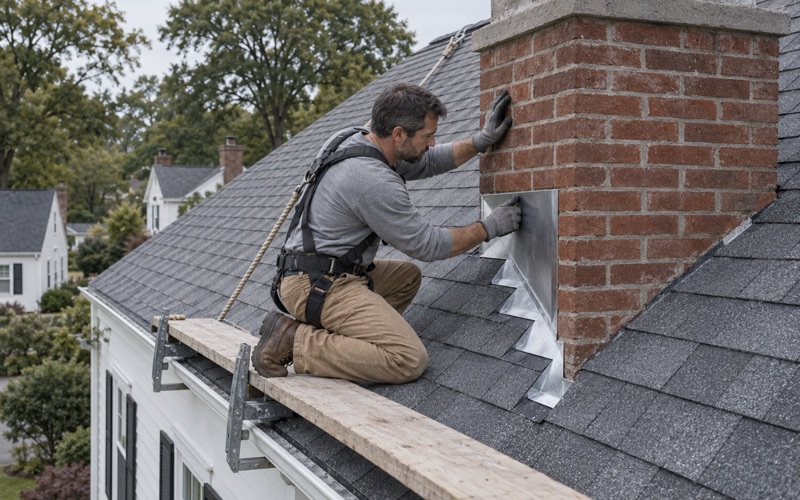
Step flashing, counter flashing and chimney flashing are replaced with the new roof, never reused under it. We also check attic ventilation on every replacement. Top-floor apartments under a poorly vented attic run hot in summer and can collect condensation in winter, and that trapped moisture shortens the life of shingles and decking from below.
Gutters on Long Buildings
Long garden buildings shed a lot of water off a single eave line. We size and pitch seamless aluminum gutters and leaders with the roof, so downspouts carry water away from entrances, walkways and parking areas instead of pouring it where residents walk.
An undersized gutter on a long run overflows in a heavy rain, and that overflow soaks fascia, stains siding and freezes on sidewalks in winter. Getting the gutter size right during the re-roof is cheaper than fixing it later. Where splash-back has been wearing at a foundation or walkway, we add leaders or extensions to carry the water farther out.
Permits and Leak Tracing on Multifamily Buildings
Why an Apartment Re-Roof Is Permit Work
New Jersey treats roof-covering replacement on a detached one- or two-family house as ordinary maintenance under N.J.A.C. 5:23-2.7, so a homeowner’s re-roof does not go through the construction permit process. A multifamily building is not a one- or two-family dwelling, so that exemption does not reach it. Re-roofing an apartment building in Bordentown Township is construction permit work.
For the owner, that means the job goes through the local construction code office, with a permit application and the inspections that follow. We build those steps into the timeline from the start, so a manager can tell residents when work begins and roughly when it ends without guessing around approvals. We also keep the written scope ready for the inspector, since it lists exactly what was removed and installed.
New Jersey’s rehabilitation subcode also governs how a re-roof is done, including when the existing layers must be torn off rather than covered over, such as when two or more layers are already in place. Our scopes state the tear-off as its own line so that requirement is priced openly.
Tracing a Leak Across Several Units
Water on a multifamily roof rarely drips straight down. It can enter at a failed pipe boot, run along a truss or across a membrane seam, and appear as a ceiling stain in an apartment two doors away. On a flat membrane, water can travel under the cover board before it finds a seam in the deck below. A repair made above the stain often fixes nothing.
We ask the manager for access to the affected unit and to the attic or roof hatch, then trace the water from the inside and the outside together. We mark the entry point, photograph it and explain it in writing, so the repair targets the source and the manager has a record if the same area acts up again. If the source turns out to be a wall, window or plumbing problem rather than the roof, we say so instead of selling a roof repair.
Storm Damage and Insurance
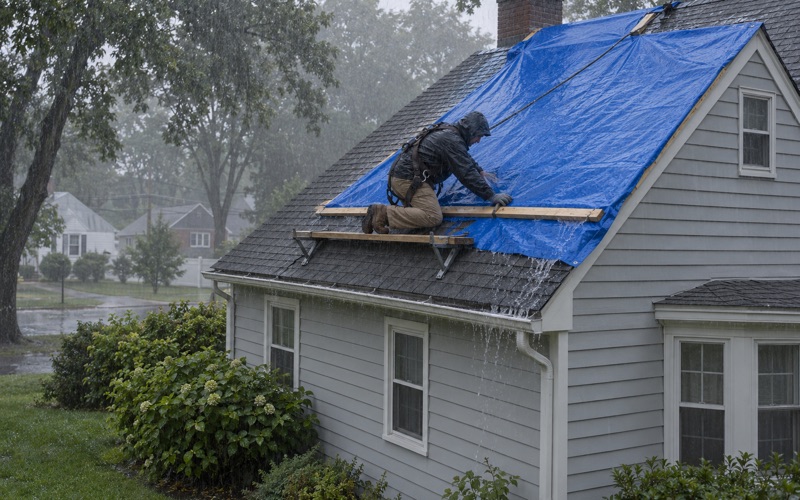
After a storm, a property manager may be juggling calls from many tenants at once. We photograph wind or hail damage across the roof and write it up so the owner can file its own claim, and when asked we meet the insurance adjuster on site to walk the damage together.
Bordentown Township falls in the National Weather Service Mount Holly office’s Northwestern Burlington forecast zone, and checking that zone’s warnings for the storm date helps tie the damage to a specific event. A dated report with photographs gives the owner a cleaner record to work from. If the owner later decides to hire a public adjuster, that adjuster must be licensed under New Jersey’s Public Adjusters’ Licensing Act, and our documentation is available to them as well.
- 20+ Years on the Roof
- Free Written Estimates
- NJ and PA Contracts